Yatra, A Journey of Discovery
Mount Madonna Seniors prepare for travel to India
Thirty years ago, I left a bag full of money, and my passport, in a taxicab in Accra, Ghana. When I discovered it was missing and began to panic, the driver and his friend arrived at my hostel and handed it back to me. The $40 in local currency it contained filled the entire backpack. I quickly removed the money and handed it to the man in gratitude, as I was only concerned about the passport. He began to cry. He got down on his knees, taking my hand and kissing it, bowing his head, and weeping.
At the time, the local salary in Ghana was about ten dollars per year. Things were done by bartering, and my morning breakfast each day cost a penny or less. This was an amount of money the man had never seen.
That moment changed my life. As a child, I was sent to private school, then my parents paid for college. In high school I had been angry with my parents when they would not buy me designer jeans. I had never worried about where my next meal was coming from.
When I returned to the US, the trajectory of my life had changed forever. I would never again misunderstand the advantages I had been given, rather than earned, simply because of my economic place in the world. I would never fail to use those gifts to give something back to the world around me. I would never forget the people I met all over West Africa, and the stark difference between their reality and mine.
As a teacher, I know that there is no better teaching tool for implicit curriculum than travel to developing countries. While we can impress some social justice, environmentalism, and ethical learning on our students by curating what we place before them in a classroom, we can’t force the concepts of privilege and global citizenship to truly sink-in. Through the freedom that Mount Madonna School gives teachers to create meaningful curriculum, I’ve been lucky to craft and build and support experiences all over the world for our students over the last 17 years.
None of it matches what our students experience in India. They arrive carrying a deep feel for the culture from years of developing and deepening their understanding of the teachings in Ramayana!, and suddenly, they are surrounded by commonplace iconic images that seemed so unusual to them in the US. They tease out every nuance of ethics and philosophy as they prepare to meet eastern philosophical leaders in the Values in World Thought class. They prepare to see a natural environment that has been shaped by overcrowding, extreme poverty and a lack of social services in Science with Humanity. Nothing, however, can possibly prepare them for the experience of meeting people who live so differently, and face such different challenges in their lives.
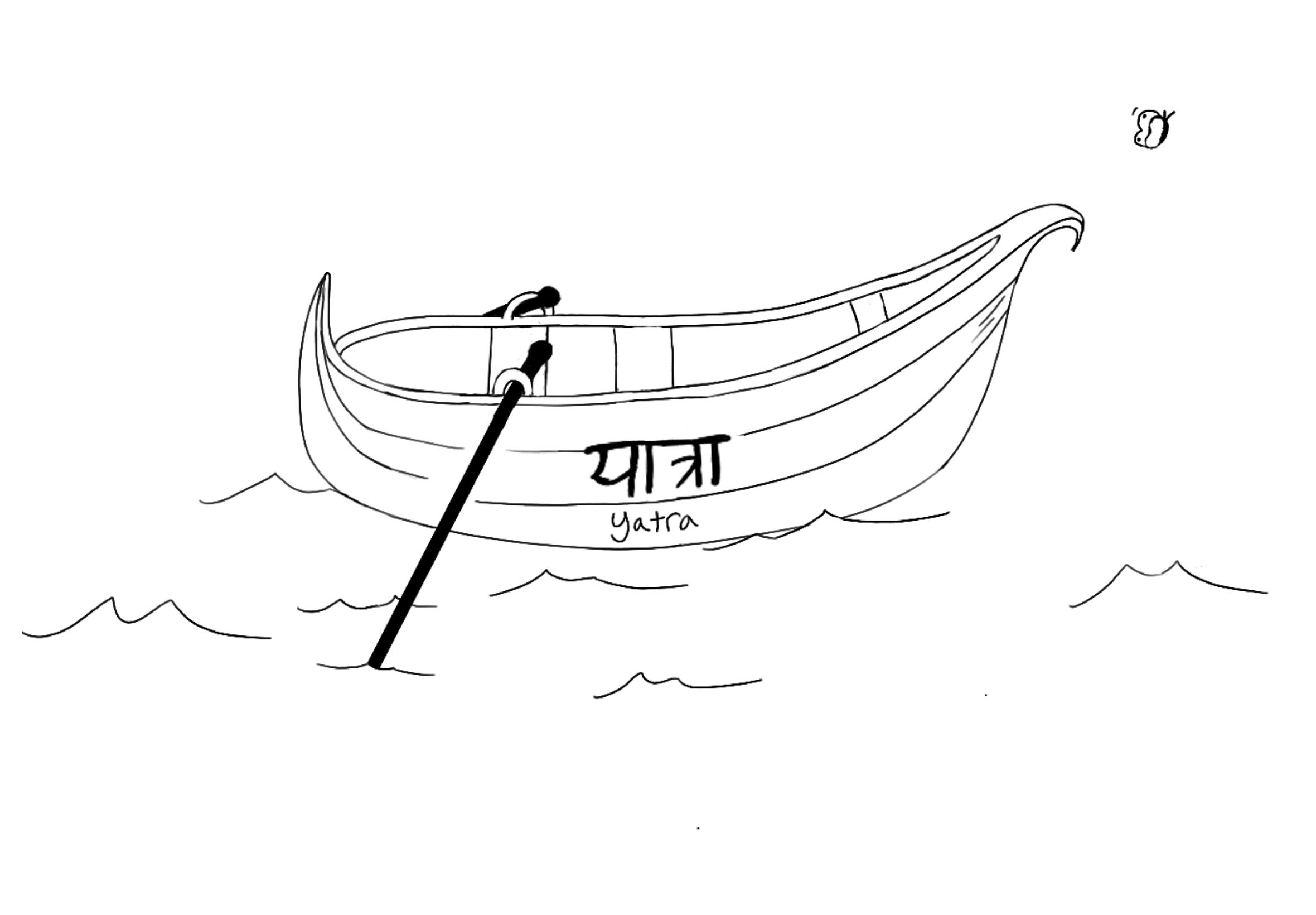
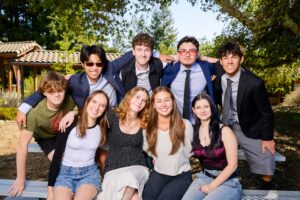 This years’ class chose the name Yatra for their trip, which means a journey of rediscovery of self. On their itinerary is a blessing with the 14th Dalai Lama himself, and a longer audience with the Oracle of Tibet. The current human medium for the oracle is a high official in the Tibetan Government in Exile and is crucial in the identification of the next incarnation of the Dalai Lama.The students will spend several days at Sri Ram Ashram, a sister organization to Mount Madonna Center and Mount Madonna School.
This unique place houses orphaned children in Northern India. Baba Hari Dass began the Ashram with the purpose of simply adopting all the residents and raising them to adulthood as a large family so as to avoid the stigma carried by orphans in India; a school and a clinic were subsequently built on site to serve the surrounding community. It’s a magical place. Love, social justice, and empowerment reign within its walls. After visiting it the first time, I felt empowered to realize my own dream of adopting children (Skai, Hope, and Phoenix are now at Mount Madonna School in 1st, 2nd, and 3rd grades). It’s a place where fear transforms into love on a daily basis; many students find their visit there to be the most inspiring experience of their education.
During their time at the Ashram our seniors will observe the sunset fire ceremony at the nearby holy site on the Gunga river, attended by thousands of pilgrims from all over India, and they will visit a traditional agrarian village populated by Gujjars. The area is vibrant with traditional culture, but the global challenges the students have studied are also on full display as we pass huge piles of trash, beggars living in the open, hungry people of all ages, and animals struggling to survive. It’s both inspiring and eye-opening.
Our journey to India begins on February 13. The story is best told by the students as they talk about their transformative experiences in a blog that is updated frequently throughout the trip. Parents and little buddies can follow the journey on the blog here: